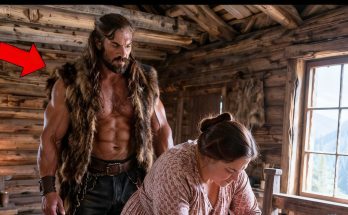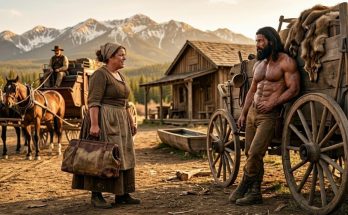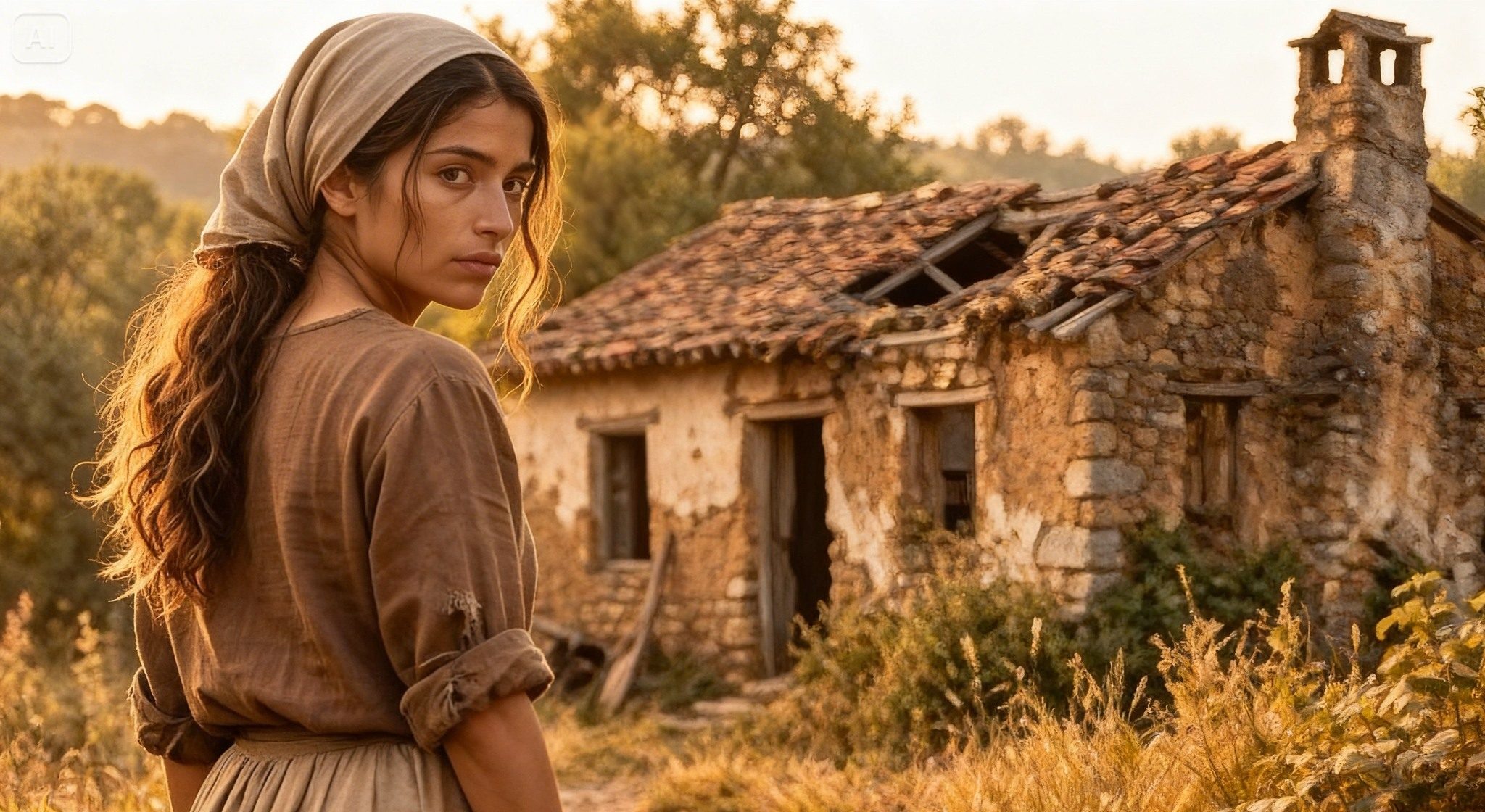
Paula Bennett was sent away with 3 thin hens and a ruined mountain ranch no one wanted.
That was the shape of it once all the false kindness had been stripped away. No inheritance worth naming. No room kept for her out of affection. No real share in the house where she had spent the last 20 years. Just 3 miserable birds, a few castoff blankets, chipped enamel pots, a sack of grain and flour, and a place called the Landslide, spoken of by the family as if the earth itself had already judged it unfit for human use.
The morning it began, before the house had fully woken, a great horned owl called out 3 times in the freezing dark above the Blue Ridge. In those mountains, old people said an owl crying out of season did not promise spring rain or a change in weather. It announced a change in fate, usually a cruel one. Paula heard it while shelling corn on the back porch, her fingers numb from the cold and the repeated motion, and although she felt the sound settle somewhere uneasy in her chest, she did not yet know what it meant.
Hours later, Uncle Lawrence called her into the main parlor.
He did not call twice. He never had to. He was one of those men whose voice carried not because it was especially loud, but because the whole household had long ago learned that delay was a kind of defiance and defiance never went unpunished. Paula dried her hands on her apron, adjusted the wool shawl at her shoulders, and walked from the kitchen to the front room with the measured calm she had taught her body over 20 years. It was the calm of a woman who had spent too long living in a place where being noticed was often dangerous and being necessary never translated into being loved.

Even before Lawrence spoke, she understood.
There are silences that come before bad weather, and there are silences that come before bad news. A woman forced to live in the shadows long enough learns the difference. She learns to read the angle of a husband’s shoulders and the shape of a wife’s folded hands. She learns how people look at one another when a decision has already been made and they are only waiting for someone else to speak it aloud.
Aunt Amanda sat by the window with her hands clasped so tightly in her lap that the knuckles had gone white. She only held herself that rigidly when she had reached a cold conclusion and wanted her husband to bear the ugliness of saying it. Roger, the eldest son, leaned against the doorframe with that thin, hungry smirk he wore whenever some turn of events favored him personally. Paula saw all of that in a single glance and braced herself without changing expression.
Uncle Lawrence did not ask her to sit.
He began talking about a property called the Landslide, a rough old patch of mountain ground that had once belonged to his late brother Matthew Bennett, who had died 8 months earlier without leaving a direct heir. Lawrence spoke of the place as if he were describing a burden that required courage merely to mention. He said the cabin there was collapsing into rot. He said the land had gone wild. He said tramps and drifters cut across the property because no one respectable had reason to be there. He said the family had held a meeting and decided that, since Paula was now a grown woman and surely wanted a life of her own, it would be best for her to move there.
He framed it as generosity.
He said she would finally have a place she could call her own. He said she could plant a garden, keep hens, and enjoy a measure of independence. He spoke in the smug, self-approving tone of a man convinced he was performing a noble deed, the kind that ought to inspire tears of gratitude and not, as Paula felt in that moment, a cold, tightening fury.
She was 35 years old.
She had spent 20 of those years in that house.
She had come there at 15, after fever took her mother and a year after her father died from a lung sickness no one in those mountains ever quite named correctly because naming things did not often save them. Since then she had risen before dawn every morning, kneaded bread while the kitchen stones still held the night’s cold, ironed shirts, mended socks, scrubbed floors, hauled water, tended children, cleaned up the messes of other people’s living, and learned the careful art of making herself indispensable without ever making the mistake of expecting appreciation.
She had eaten leftovers while others ate first. She had slept in the smallest room under the eaves, where winter drafts crawled in through the cracks and froze the washbasin by morning. She had listened to her own life being discussed around her as if she were a piece of furniture that had become useful enough to keep but not valuable enough to insure.
Now they were pretending they were giving her freedom.
Paula listened to Uncle Lawrence without interrupting. When he finished, she asked only 1 question.
“What condition is the cabin in?”
He waved a dismissive hand, as if the matter hardly deserved detail. “Habitable. Needs some mending. Nothing a little hard work won’t fix.”
Aunt Amanda added, in that brittle sugary tone false generosity always seems to produce, that she would send along some of her older clothes, 2 wool blankets, a few chipped enamel pots, a sack of feed, flour, and grain, and 3 hens. Roger mentioned that Silas, the local hauler who passed by the old logging road every Tuesday on his way toward St. Jude’s Creek, could take Paula and her belongings up to the property then.
Tuesday.
That gave her 4 days to pack up 20 years.
In truth, there was almost nothing to pack.
She did not own the room she slept in. She did not own the chair she sewed in, the kitchen tools she used, or the trunk at the foot of her bed. She owned 2 dresses fit for work, a shawl, a black-bead rosary that had belonged to her mother, and a heavy clay pot she had once bought with coins saved from secretly selling wild herbs at the market. The rest of her life existed in memory and in muscle. In the ache of her back, in the way her hands moved automatically toward a basin or loaf pan or broom, in the reflexive silence she carried around other people.
Tuesday morning came wrapped in thick mountain fog.
Silas arrived in his truck, said almost nothing, and loaded her small crates between sacks of salt and feed. Paula climbed onto the back, settled on her bundle of blankets, and did not look at the house as the engine coughed itself awake. Uncle Lawrence stood on the porch as if sending her out were a routine matter of farm management. Aunt Amanda did not appear.