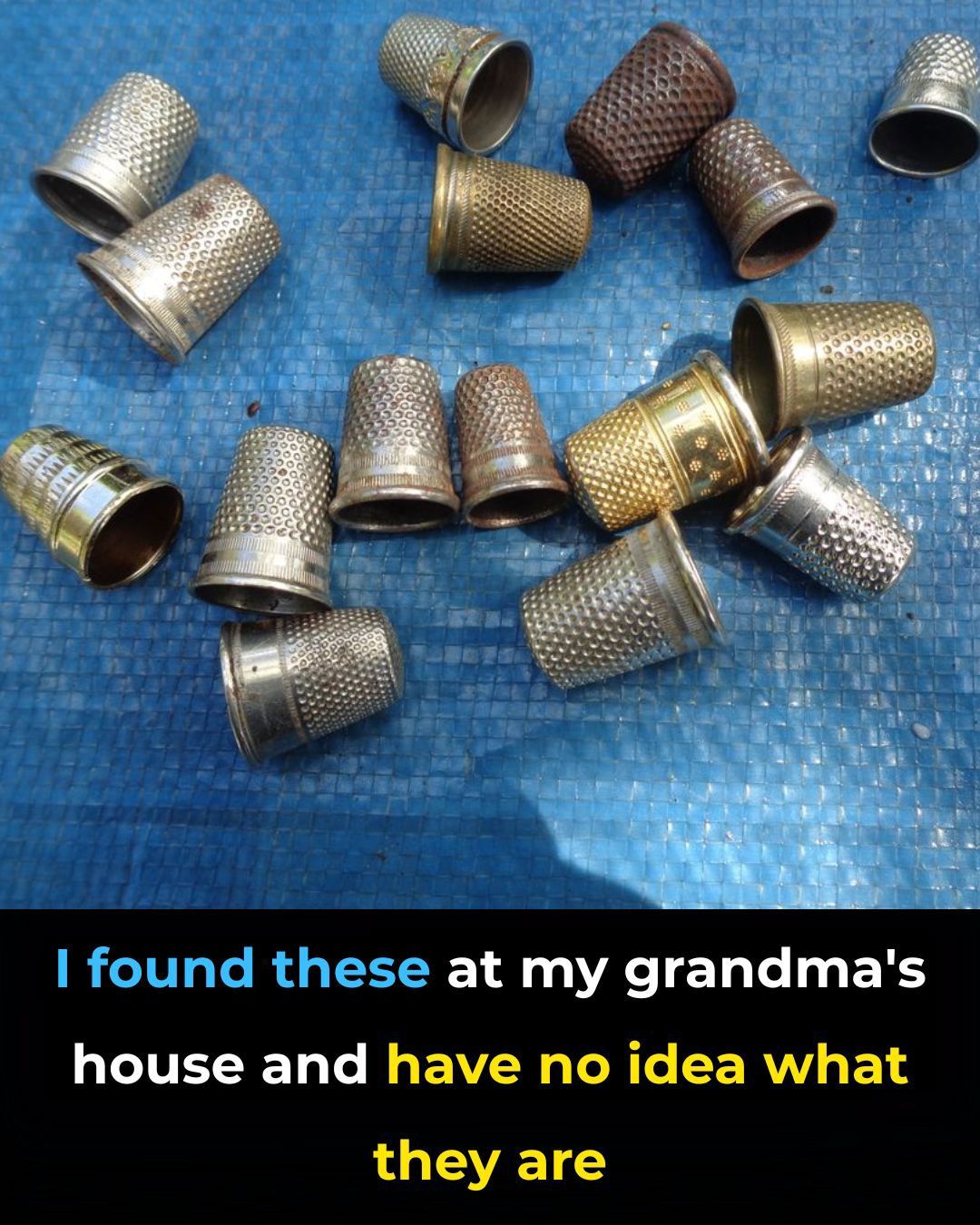
In the age of high-speed industrial looms and computerized sewing machines, the smallest tool in the tailor’s kit—the thimble—remains an unshakable essential. Often overlooked as a mere trinket or a Monopoly game piece, the thimble is a marvel of ergonomic engineering that has protected human hands for millennia. From its origins as the “thumb bell” to its status as a Victorian heirloom, the thimble tells a story of human ingenuity, protecting the skin while allowing the hand to conquer the most stubborn of materials.
The Anatomy of Protection
A thimble’s primary function is deceptively simple: it acts as a shield.1 By providing a hard, often pitted surface, it allows the sewer to apply significant force to the blunt end of a needle without risking a puncture wound.
Why the “Pits” Matter:
If you look closely at a metal thimble, you will notice a series of small indentations or “dimples.” These are not merely decorative; they are designed to catch the end of the needle, preventing it from slipping and causing injury during a heavy push through dense fabrics like denim or leather.3