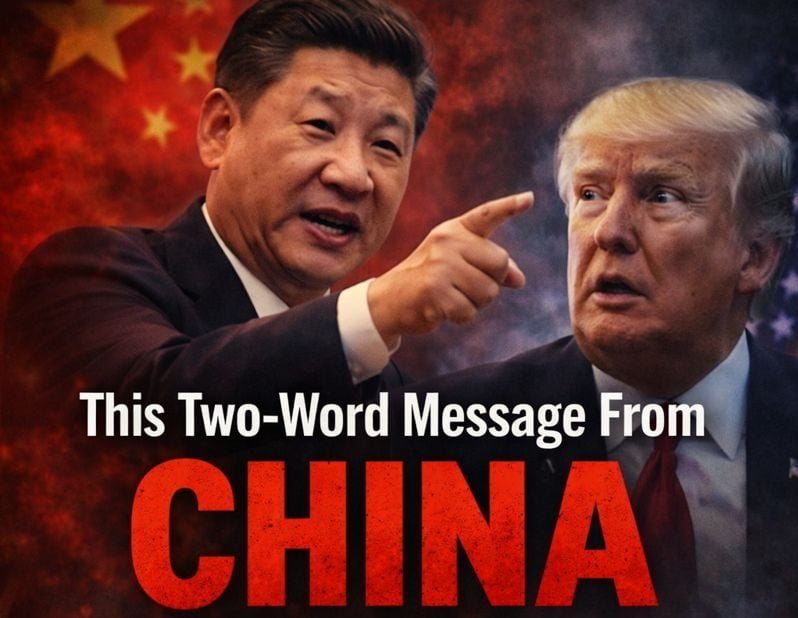
For hours, Washington fell silent. Briefings paused, calls moved behind closed doors, and the tone inside U.S. war rooms shifted from confident to tense. All of it stemmed from a two-word warning from Beijing. There were no cameras, no press statements—just a discreet message routed through backchannels, instantly recognized by U.S. officials as carrying weight far beyond a typical diplomatic note.
Those two words signaled far more than concern over a single leader. For China, Venezuela is strategic: a heavily indebted ally, an energy lifeline, and one of the few footholds it maintains in the Western Hemisphere. Any U.S.-led move to arrest or remove Nicolás Maduro would not only reshape Venezuelan politics but also threaten years of Chinese investment and influence.
Inside the Pentagon and intelligence agencies, the message was decoded as a red line. Analysts quickly shifted from seeing Venezuela as an isolated crisis to mapping ripple effects that could stretch from Caracas to the South China Sea.
The warning didn’t imply an imminent military response in Latin America. Chinese troops landing in Venezuela is highly unlikely. But Beijing’s signal was unmistakable: removing Maduro by force could provoke retaliation in areas that truly matter to U.S. interests.
Diplomats noted the subtlety of the message. Its brevity masked complexity; in geopolitics, short phrases often carry long shadows. U.S. strategists began reassessing options, weighing risks not only to Venezuelan stability but also to global supply chains, energy markets, and regional security alliances.
In Washington, discussions intensified over how to balance the operation’s objectives with the potential consequences of provoking Beijing. Every scenario considered now included responses far beyond South America, from diplomatic pushback to economic measures targeting U.S. interests.
The quiet that followed the warning underscored the stakes. A single phrase had frozen plans, shifted priorities, and reminded officials how interconnected global crises have become.
In moments like this, diplomacy relies on reading between the lines. A terse note can alter the course of policy, influence military decisions, and reshape the calculations of nations thousands of miles away.