In the quiet corridors of modern medicine, few procedures embody the sheer magnitude of human devotion quite like living liver donation. It is a profound intersection of cutting-edge science and ancient, sacrificial love—a moment where a healthy individual chooses to endure the blade of a surgeon to offer a literal piece of themselves to save another. This act of giving is not merely a clinical transaction; it is a powerful affirmation of the invisible threads that bind families together, highlighting a level of commitment that transcends words. For countless families across the nation, these procedures have served as the ultimate reprieve, turning a prognosis of despair into a narrative of renewed hope and stolen time reclaimed.
The liver is an anatomical marvel, a silent powerhouse that stands alone among human organs for its extraordinary capacity for regeneration. It is this unique biological resilience that makes living donation possible. When a donor relinquishes a significant portion of their liver—typically between forty and sixty percent—nature immediately begins its work of reconstruction. Within a matter of months, the remnant in the donor and the transplanted lobe in the recipient grow back to nearly their full original size and functional capacity. This miraculous regrowth offers a vital lifeline in a landscape where the national waiting list for deceased donor organs remains tragically long, often outstripping the pace of survival for those in the final stages of hepatic failure.
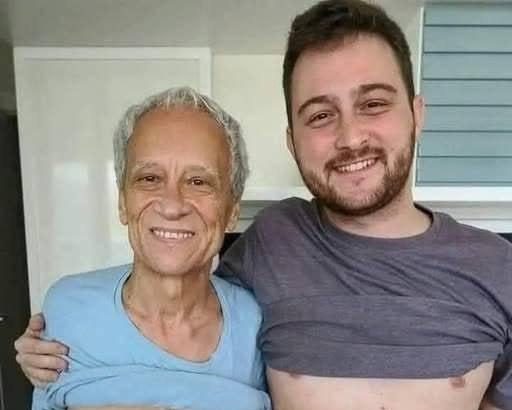
To understand the emotional gravity of this journey, one must look at the intimate stories that play out in transplant centers every day. Consider the archetype of the devoted adult child—a son or daughter who watches as a parent’s vitality is slowly leeched away by chronic illness. Imagine a son receiving the news that his father’s condition has crossed a critical threshold, moving from manageable to life-threatening. Without the luxury of hesitation, he steps forward to undergo the grueling gauntlet of compatibility testing. This phase is an emotional roller coaster, as medical teams meticulously evaluate the potential donor’s physical health, psychological readiness, and anatomical fit. When the call finally comes that he is a match, the household experiences a collective surge of optimism, a feeling that the tide has finally turned.
The day of the surgery is a masterclass in synchronized complexity. In two operating theaters side-by-side, surgical teams work in lockstep. As one team carefully harvests the healthy liver segment from the son, the other prepares the father to receive the graft. Every second counts, as the goal is to minimize the time the organ remains outside of a living body. In many successful cases, the immediate aftermath is a time of jubilant relief. The father’s skin, once jaundiced and sallow, begins to regain its natural hue; the son, though weakened by the procedure, finds a profound sense of purpose in his recovery. Family and friends gather, weaving a tapestry of support that honors the son’s courage as a definitive “gift of life.”
However, the narrative of living donation is incomplete without acknowledging the grit and reality of the recovery process. While the rewards are immense, the path is rarely a straight line. The human body does not yield a major organ without a period of protest. For the donor, the first few days are a haze of intensive monitoring, as the remaining portion of the liver begins the high-energy task of regeneration. Most donors spend a week in the hospital, followed by a long, gradual ascent back to their baseline strength. It is a period that requires humility and patience, as even the most athletic donor finds themselves winded by short walks or simple tasks.
Medical experts are transparent about the potential hurdles. As with any major abdominal surgery, there are risks of infection, fluid accumulation, or temporary shifts in liver function that require medical intervention. In rare instances, more significant complications can arise, demanding extended care and specialized treatment. For older family members watching this process unfold, these risks can stir a complex cocktail of emotions—gratitude for the life saved, mingled with a harrowing concern for the one who gave. This reality underscores the vital importance of transparent communication with transplant specialists. Every donor must weigh the profound benefit of saving a loved one against the inherent, documented risks of the operating table. Yet, when surveyed, the overwhelming majority of living donors state that they would make the same choice again, citing the added years of shared laughter and family milestones as a reward that dwarfs the temporary pain of recovery.
Beyond the biological success of the transplant, the experience often acts as a crucible that tempers and strengthens family bonds. The recipient, often a parent or sibling, is left with a lifelong debt of gratitude that reshapes their perspective on every sunrise. The donor finds a rare kind of fulfillment—the knowledge that their father is present to see a grandchild graduate or that their mother can enjoy a quiet evening at home because of their intervention. The extended family often rallies in a way that creates a new legacy of care. Meals are delivered, errands are run, and emotional encouragement becomes the daily currency of the household. This ripple effect often extends into the broader community, as neighbors and local groups organize support efforts, reminding everyone that in our most vulnerable moments, human compassion remains our most potent medicine.
As medical technology continues to evolve, the safety and efficacy of these procedures only improve. Modern transplant programs emphasize rigorous donor selection, minimally invasive surgical techniques where possible, and comprehensive long-term follow-up care. These advancements ensure that the “heroism” of the donor is supported by the highest standards of safety. For families contemplating this path, the journey begins with education—speaking with specialists to understand the nuances of their specific medical situation.
Ultimately, living liver donation is a story about the endurance of the human spirit. It is about a father regaining the energy to share his wisdom and a son carrying forward a legacy of selflessness that will be told to future generations. These stories serve as a gentle but firm reminder to cherish our connections while we have them and to appreciate the extraordinary medical options that allow us to fight for more time. Every successful transplant is a victory for resilience, a testament to the fact that while our bodies may be fragile, the love that drives us to save one another is indestructible. It is a legacy of hope, written in the quiet, steady beats of a heart that refused to give up on family.