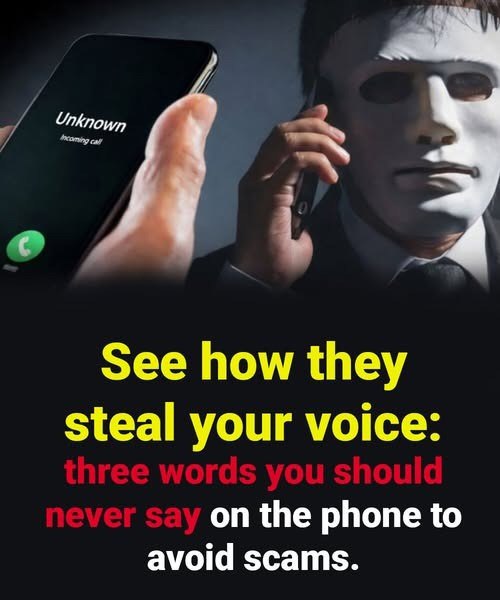
In the rapidly evolving landscape of digital security, artificial intelligence has moved far beyond the realms of simple text generation and creative imagery. It has entered a far more personal and unsettling territory: the ability to replicate the human voice with chilling precision. While voice synthesis technology provides groundbreaking benefits in fields such as medical accessibility for the speech-impaired or more natural customer service interfaces, it has simultaneously opened a Pandora’s box of risks involving fraud, manipulation, and sophisticated identity theft.
Unlike the primitive voice scams of the past, which required hours of high-quality recording or direct personal interaction, modern AI voice cloning can now generate a near-perfect digital doppelgänger from as little as three to five seconds of audio.
These audio snippets are often harvested from sources we consider harmless or mundane. A casual phone conversation with a supposed telemarketer, a recorded voicemail greeting, or a ten-second video uploaded to social media can provide more than enough data for a malicious actor. In this new reality, what once seemed like polite, automatic filler words—such as “yes,” “hello,” or “uh-huh”—are no longer just parts of a conversation. In the hands of a criminal, they are the building blocks of a powerful tool used to dismantle your financial security and personal reputation.
To understand why this technology is so dangerous, one must first recognize that your voice is a biometric identifier. Much like a fingerprint or an iris scan, your vocal signature is unique to you. Advanced AI systems do not just record the sound; they analyze the deep architecture of your speech. They map the rhythm of your breath, the specific pitch and intonation of your vowels, the subtle inflections at the end of your sentences, and even the microscopic timing of the pauses between your words. Once the AI builds this digital model, it can be commanded to say anything, in any language, while maintaining the unmistakable “feel” of your presence.
This capability enables a new generation of “high-fidelity” scams. Criminals can use a cloned voice to impersonate a victim to their own family members, creating high-pressure scenarios such as the “grandparent scam” or an emergency medical crisis. They can also target financial institutions or employers, using the cloned voice to authorize fraudulent wire transfers or gain access to secured corporate data. One of the most insidious tactics is the “yes trap,” where a scammer calls and asks a simple question like, “Can you hear me?” The moment the victim responds with a clear “yes,” that audio is captured and spliced into a recording to serve as verbal consent for a contract, a loan, or a subscription service
The sheer believability of these AI-generated voices is what makes the threat so pervasive. Modern systems are capable of reproducing emotional nuances that were once thought to be purely human. An AI can be programmed to sound distressed, fearful, or panicked, adding a layer of psychological pressure that bypasses the victim’s critical thinking. When a parent hears the voice of their child crying on the other end of the line, their biological instinct to help overrides their suspicion of fraud. Scammers exploit this biological loophole, using urgency and manufactured fear to force victims into making rapid, irreversible financial decisions.
Furthermore, these tools are no longer the exclusive domain of high-level hackers or state actors. AI voice cloning software has become inexpensive, user-friendly, and widely accessible on the open internet. This democratization of cybercrime means that geographic distance offers no protection; a scammer in another country can instantly transmit a localized, familiar-sounding voice to a target thousands of miles away. Even the rising tide of nuisance robocalls has taken on a more sinister tone. Many of these calls are no longer trying to sell a product; they are “phishing” for voice samples, waiting for the recipient to stay on the line long enough to provide the few seconds of data required for a clone.
Protecting yourself against voice-based fraud requires a fundamental shift in how we approach phone communication. Vigilance must be the default setting. Experts suggest several practical steps to mitigate the risk of being cloned or exploited:
Avoid Affirmative Responses: When answering a call from an unknown or suspicious number, refrain from using the word “yes” or “I agree.” If a caller asks, “Can you hear me?” respond with a neutral “I am listening” or simply hang up.
The “Two-Factor” Family Rule: Establish a private “safe word” or a specific verification question that only family members would know. If you receive an urgent call from a loved one asking for money, ask for the code word. If they cannot provide it, it is a high probability that the voice is a clone.
Silence the Scammers: Use call-blocking apps and settings on your smartphone to automatically filter out unverified callers. The less you interact with unknown numbers, the less data you provide for potential cloning.
Update Voicemail Greetings: Avoid using your own voice for your voicemail greeting. Use the generic system-generated greeting provided by your carrier. This prevents scammers from harvesting a clean sample of your voice without even having to speak to you.
Secure Biometric Access: If your bank or any other service uses “voice print” as a password, consider disabling this feature in favor of traditional two-factor authentication (2FA) via an app or physical security key.
Awareness is the first and most vital line of defense. By understanding that your voice is now a valuable digital asset—a key that can unlock your life—you can change your habits to reflect that value. Education is equally important; take the time to explain these risks to elderly relatives who may be more susceptible to the emotional manipulation of a familiar voice.
While the evolution of artificial intelligence will continue to present new challenges, our ability to remain skeptical and cautious remains our greatest safeguard. We are living in an era where “hearing is no longer believing.” By treating our voices with the same level of security as our social security numbers or banking passwords, we can navigate this new technological landscape without falling victim to those who seek to use our own voices against us. The future of communication may be artificial, but our judgment must remain authentically human.