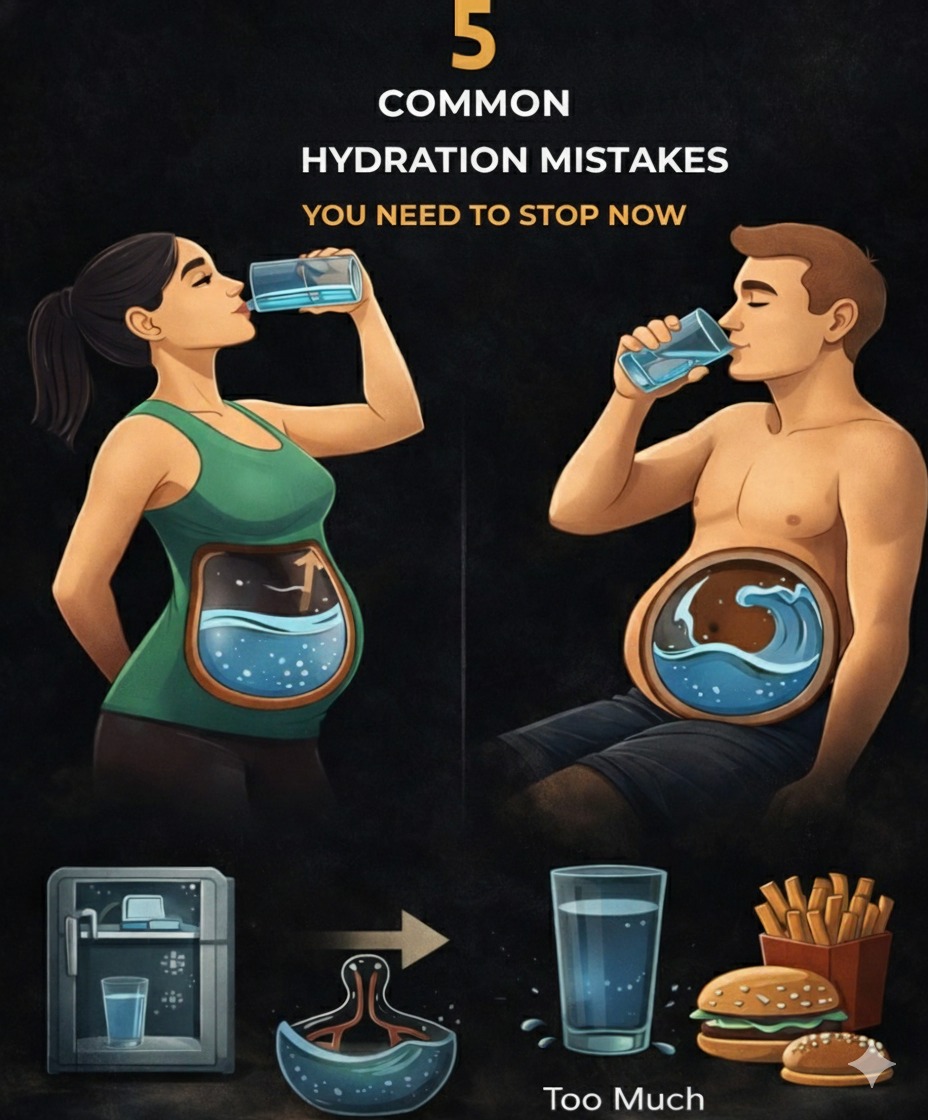
You reach for your water bottle throughout the day, feeling good about staying hydrated. Yet somehow, fatigue creeps in, your skin feels dry, and that afternoon slump hits harder than expected. These subtle signs might mean your hydration habits aren’t as effective as you think, quietly undermining your energy and focus.
Many people assume drinking water is simple—just gulp it down and you’re set. But small, overlooked habits can reduce how well your body absorbs and uses it. The good news? Fixing these could bring sharper clarity and steady vitality. Keep reading to uncover the five common pitfalls—and one might surprise you more than the rest.

Why Proper Hydration Matters More Than You Might Realize
Water accounts for about 60% of your body weight and plays a key role in everything from brain function to digestion. Research shows that even mild dehydration can affect mood, concentration, and physical performance.
You’ve probably powered through a tired day, wondering why you feel off despite sipping water. Often, it’s not the amount but how you’re drinking it. But here’s the thing—many fall into the same traps without realizing.

The 5 Everyday Mistakes Sabotaging Your Hydration
5. Relying Too Much on Single-Use Plastic Bottles
Grabbing a disposable plastic bottle on the go seems convenient. However, studies indicate that chemicals like BPA or phthalates can leach into water, especially if bottles are exposed to heat or reused.
While modern bottles often avoid BPA, some evidence suggests potential concerns with long-term exposure. Switching to reusable options might offer more peace of mind. But the next mistake impacts absorption directly.
4. Drinking Only Ice-Cold Water
A chilly glass feels refreshing, especially on warm days. Yet traditional practices and some observations suggest room-temperature water may support smoother digestion.
Reliable sources like Healthline and WebMD note that cold water doesn’t significantly harm hydration or digestion for most people—both temperatures hydrate effectively. That said, varying it could feel better for some. Curious about balance? It builds from here.
3. Chugging Large Amounts at Once
Forgot to drink for hours? Downing a big glass feels like catching up. But your kidneys can only process about 0.8 to 1 liter per hour efficiently.
Excess at once may lead to more frequent bathroom trips, with less retained for hydration. Studies show consistent sipping allows better absorption. Timing matters even more, though.

2. Waiting Until You’re Thirsty to Drink
Thirst often kicks in after mild dehydration has already started. By then, it might subtly affect energy or focus.
Research indicates thirst isn’t always the most reliable early signal—proactive sipping helps maintain steady levels. We’re almost to the top one.
1. Not Spreading Your Intake Evenly Throughout the Day
Gulping in the morning then forgetting until evening skips the steady flow your body prefers. Consistent sips support optimal cell function.
Evidence favors regular intake for sustained hydration benefits. Eye-opening, right?
But knowledge alone isn’t enough—real stories bring it to life.
Real-Life Changes: How Small Adjustments Made a Difference
Take Sarah, a 45-year-old teacher who always carried a bottle but drank unevenly. Persistent headaches and low energy plagued her afternoons.
She started setting gentle reminders for small sips and switched to a reusable stainless steel bottle. Within weeks, she noticed steadier focus and fewer slumps. “It felt like a fog lifted,” she shared.
Then there’s Mark, a 52-year-old runner who chugged water post-workout. He often felt bloated afterward.
Shifting to sipping before, during, and after exercise helped. His recovery felt smoother, with more even energy.
Of course, experiences vary, but these highlight what’s possible with tweaks.
You might prefer cold water for that wake-up feel—and that’s fine in moderation. Or occasional plastic bottles work for convenience. The key is awareness and balance.
Hydration Sources: A Quick Comparison
| Source Type | Pros | Potential Concerns | Best For |
|---|---|---|---|
| Single-Use Plastic Bottles | Highly portable and convenient | Possible chemical leaching with heat/reuse | On-the-go, short-term |
| Reusable Glass/Stainless Steel | Safer long-term, eco-friendly | Heavier to carry | Daily routine |
| Filtered Tap Water | Cost-effective, readily available | Quality varies by location | Home or office base |
| Infused with Fruits/Herbs | Adds natural flavor encouragement | Extra preparation time | Boosting overall intake |
Reusable options often stand out for everyday support.

Simple Steps to Better Hydration Habits
Here’s an easy guide to get started:
- Choose your container wisely: Opt for glass or stainless steel to minimize concerns.
- Balance temperatures: Try room temp most days; save cold for refreshment.
- Sip steadily: Aim for about 8 ounces every hour or so.
- Drink proactively: Use reminders before thirst hits.
- Spread it out: Start your morning with water, sip regularly, and taper in the evening.
- Track simply: Check urine color—pale yellow is a good sign.
Needs differ by activity, climate, and age. Many adults benefit from around 8-10 cups daily, but listen to your body.
Unlock Steadier Energy and Focus Today
Overlooking these habits might mean missing out on your best vitality. Now that you’ve seen the five mistakes, comparisons, and real examples, small shifts could make a noticeable difference.
Imagine waking with clearer focus, better skin glow, and sustained energy through your day. It’s within reach—one sip at a time. Try one change this week and see.
Quick tip: Add a slice of lemon to room-temperature water for a refreshing boost.
Frequently Asked Questions
How much water should I drink daily?
It varies, but many adults aim for 8-10 cups. Factors like exercise, heat, and health play a role—focus on pale urine and steady sipping.
Is cold water really bad for digestion?
Most evidence shows it hydrates just as well without major issues for healthy people. Room temp might feel gentler for some.
What if I forget to drink regularly?
Set phone reminders or keep a bottle visible. Starting small builds the habit.
This article is for informational purposes only and is not a substitute for professional medical advice. Always consult your healthcare provider for personalized guidance.