In a move that has sent shockwaves through every corner of American society, the long-standing definition of what it means to be “American” is facing its most existential threat since the 19th century. On April 3, 2026, the political landscape was set ablaze as Donald Trump moved forward with a controversial executive order aimed at dismantling birthright citizenship. While the public discourse has largely centered on undocumented immigrants, a closer look at the policy reveals a much more radical reality: this order could strip away the future citizenship rights of millions of children born to legal residents, international students, and high-tech workers currently living in the United States.
For over 150 years, the 14th Amendment has served as the bedrock of American identity, guaranteeing that anyone born on U.S. soil is a citizen. “Period. Full stop,” as Connecticut Attorney General William Tong recently emphasized. However, the new executive order seeks to bypass this constitutional precedent by preventing children from automatically receiving citizenship if their parents are in the country unlawfully or even on temporary, legal visas. This means that an infant born to an H-1B specialty worker from India, a graduate student from Canada, or a tourist from the UK would no longer be recognized as an American at birth.
The scale of this shift is staggering. Data from Pew Research highlights that in 2022 alone, approximately 1.2 million U.S. citizens were born to undocumented immigrants. Under the new proposal, this entire generation would be rendered stateless or forced to take on the citizenship of their parents’ home countries—nations many of these children may never visit. But the net spreads even wider, threatening the “American Dream” for thousands of legal visa holders who contribute billions to the U.S. economy and research sectors.
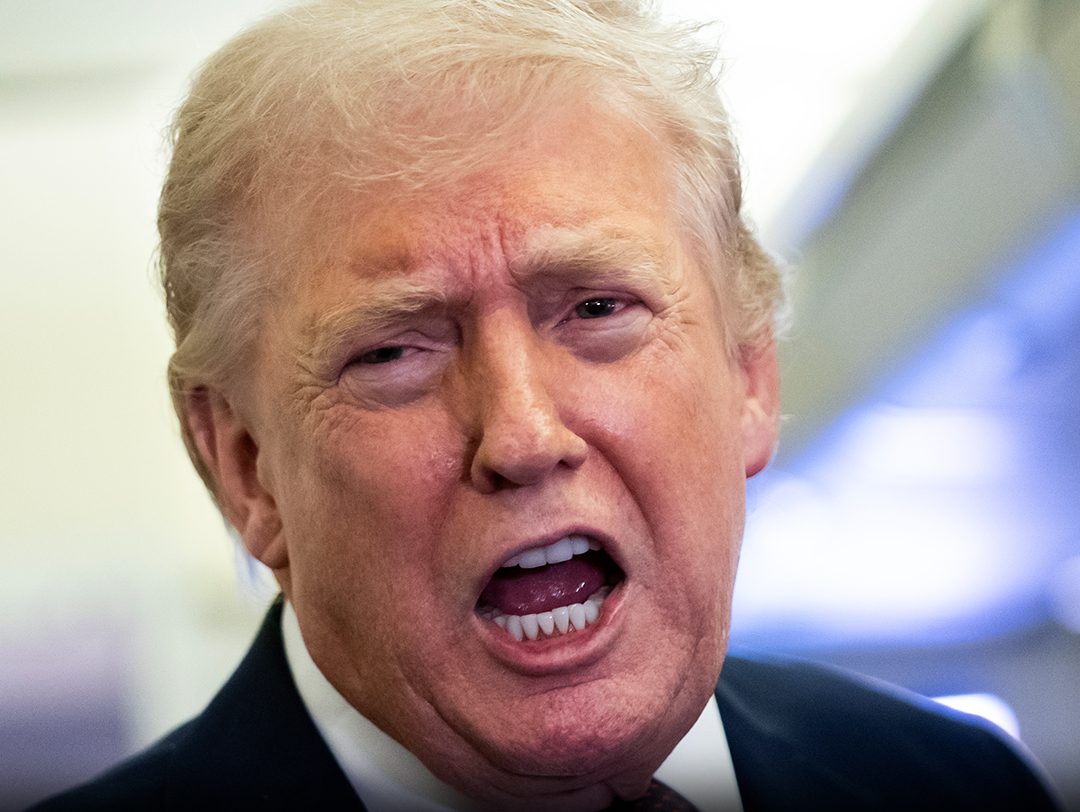
The legal backlash has been instantaneous and fierce. Attorneys general from 22 states have already filed lawsuits, arguing that a president cannot override the Constitution with a pen stroke. The debate has now reached the marble halls of the U.S. Supreme Court, which began hearing historic arguments this week. In an unprecedented move, Trump himself attended the proceedings, marking the first time a sitting president has participated in a Supreme Court hearing of this nature.
The rhetoric surrounding the move has reached a fever pitch. On Truth Social, Trump defended his stance by claiming that birthright citizenship has been weaponized by wealthy individuals from “China and the rest of the world” who seek to “pay” for their children’s citizenship. He argued that the original intent of the 14th Amendment was exclusively tied to the aftermath of the Civil War and the children of formerly enslaved people, rather than a universal right for all who are born here. “The world is laughing at how stupid our U.S. court system has become,” he stated, linking the issue to his broader platform of tariffs and national sovereignty.
As the Supreme Court justices deliberate, the nation remains in a state of high-stakes limbo. If the court rules in favor of the executive order, it would mark the most significant contraction of American civil rights in modern history. It would create a tiered system of belonging, where the circumstances of a parent’s paperwork dictate the fundamental rights of a child. For families currently expecting children on U.S. soil, the “American” label is no longer a guarantee—it is a question mark. The world is watching closely, because if the soil of the United States no longer grants citizenship, the very essence of the “Melting Pot” may have finally reached its boiling point.