
A plank involves holding your body in a push-up position, keeping everything in a straight line from your shoulders to your heels, much like a solid plank of wood. Anyone who has tried it before will likely agree that it is simple in theory but challenging to maintain.
Despite how tough it feels, the plank offers several benefits, including building core strength, supporting better posture, and contributing to overall mental well-being.
“You can do it anywhere,” exercise physiologist Katie Lawton told the Cleveland Clinic.
“Exercise can have a positive effect on our mental health. When you see yourself getting stronger, it can be encouraging. It’s also important to breathe while you plank to further engage your core muscles. Some breathing techniques can help boost your mood.”
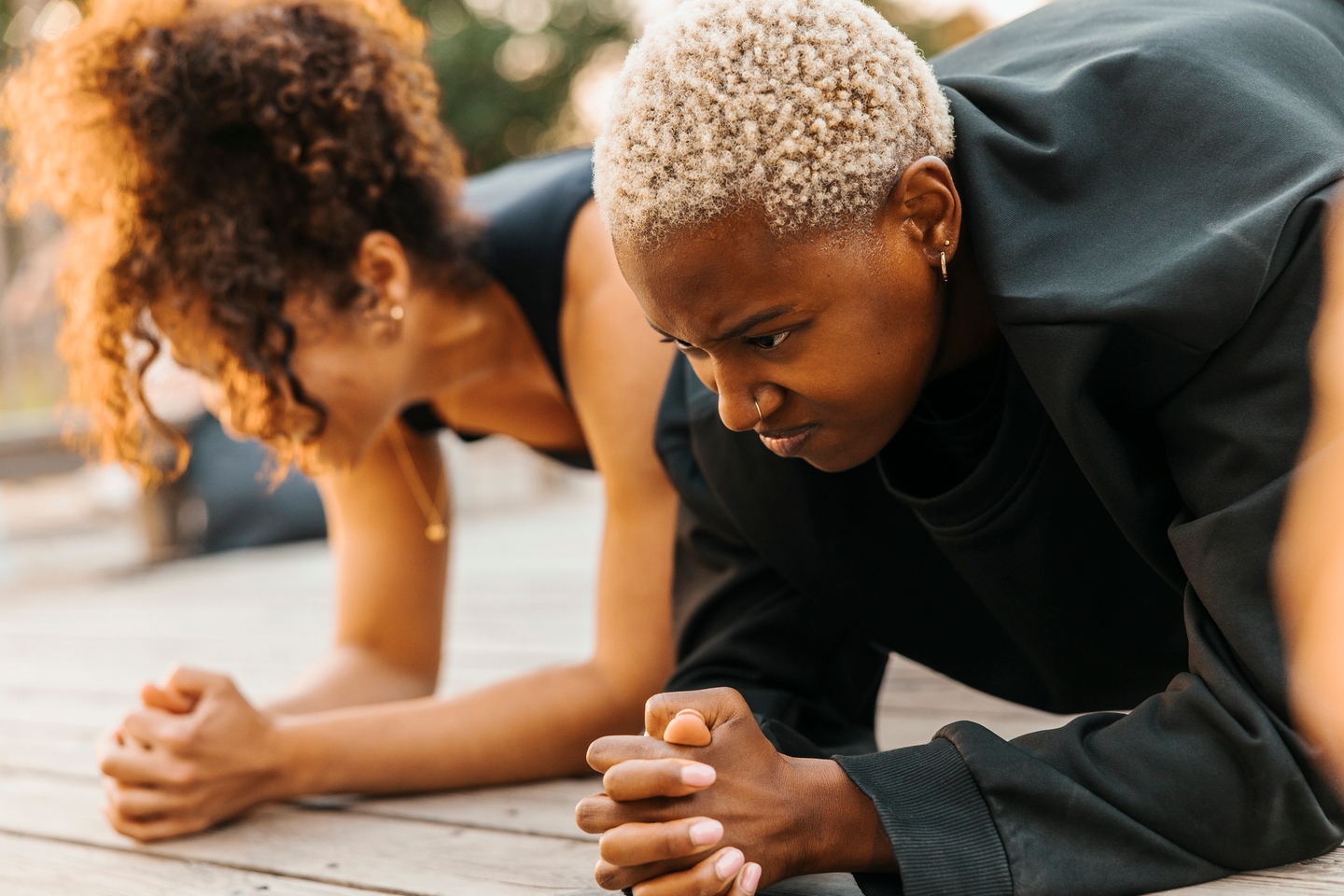
“Planks can also activate other related muscles, such as your glutes (muscles in your buttocks), hamstrings (muscles in the backs of your thighs) and lower back.”
To perform a basic plank, place your elbows directly under your shoulders, lift your body off the ground, and hold the position.
For many people, getting into the plank position is manageable, but maintaining it for an extended period is where the real challenge begins.
With that in mind, experts have shared guidance on how long people should generally be able to hold a plank, based on age alone.
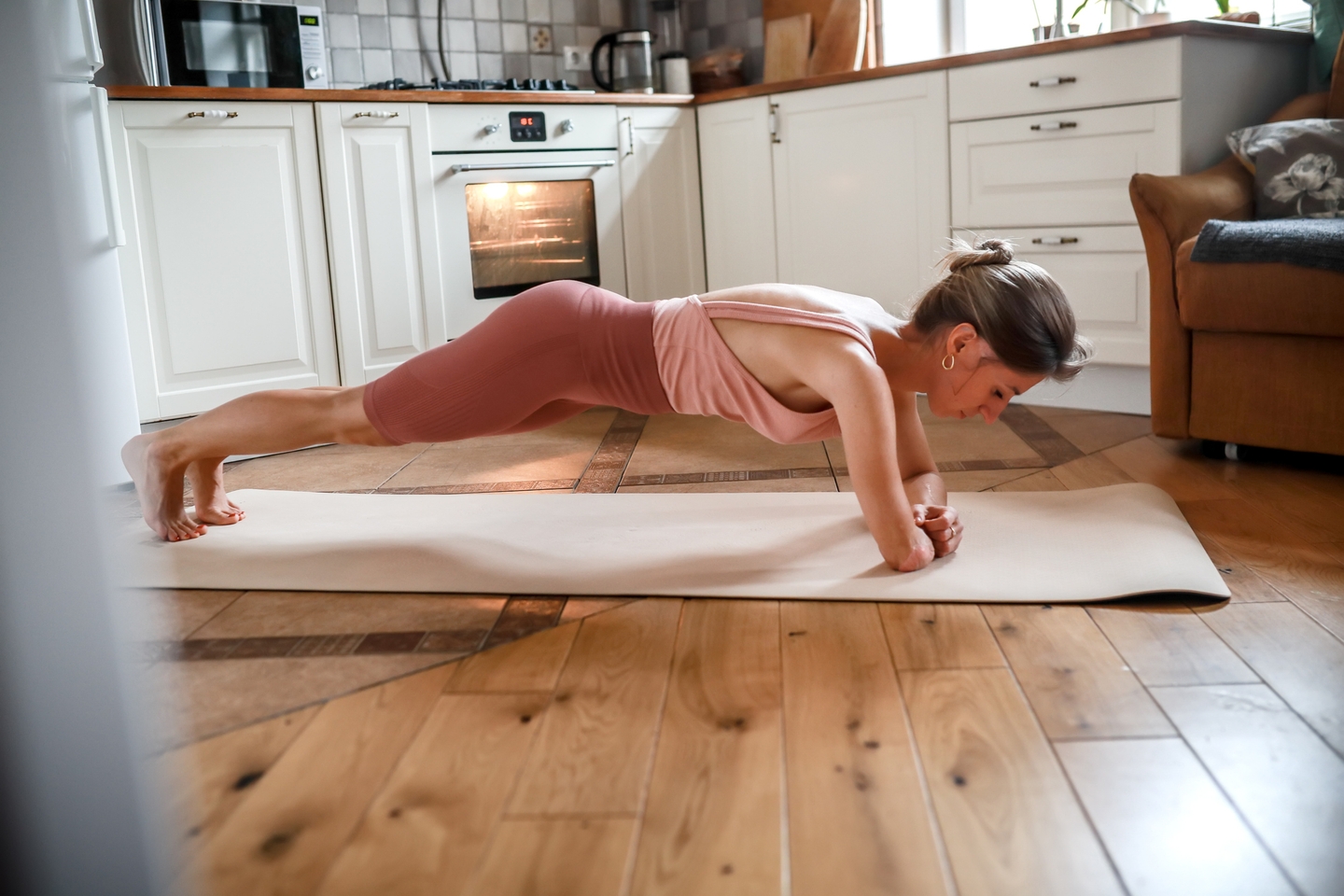
That raised the question of what is considered a normal or reasonable plank time for different age groups.
A fitness expert at Lifetime in New York City outlined the following guidelines in comments shared with Fox News:
-
- 20s: around 1 to 2 minutes
-
- 30s: around 1 to 2 minutes
-
- 40s: about 1 minute or longer
-
- 50s: roughly 30 to 60 seconds
-
- 60s and above: about 20 to 30 seconds
Lawton also offered additional advice, saying: “Hold a plank for about a minute before you start advancing.”
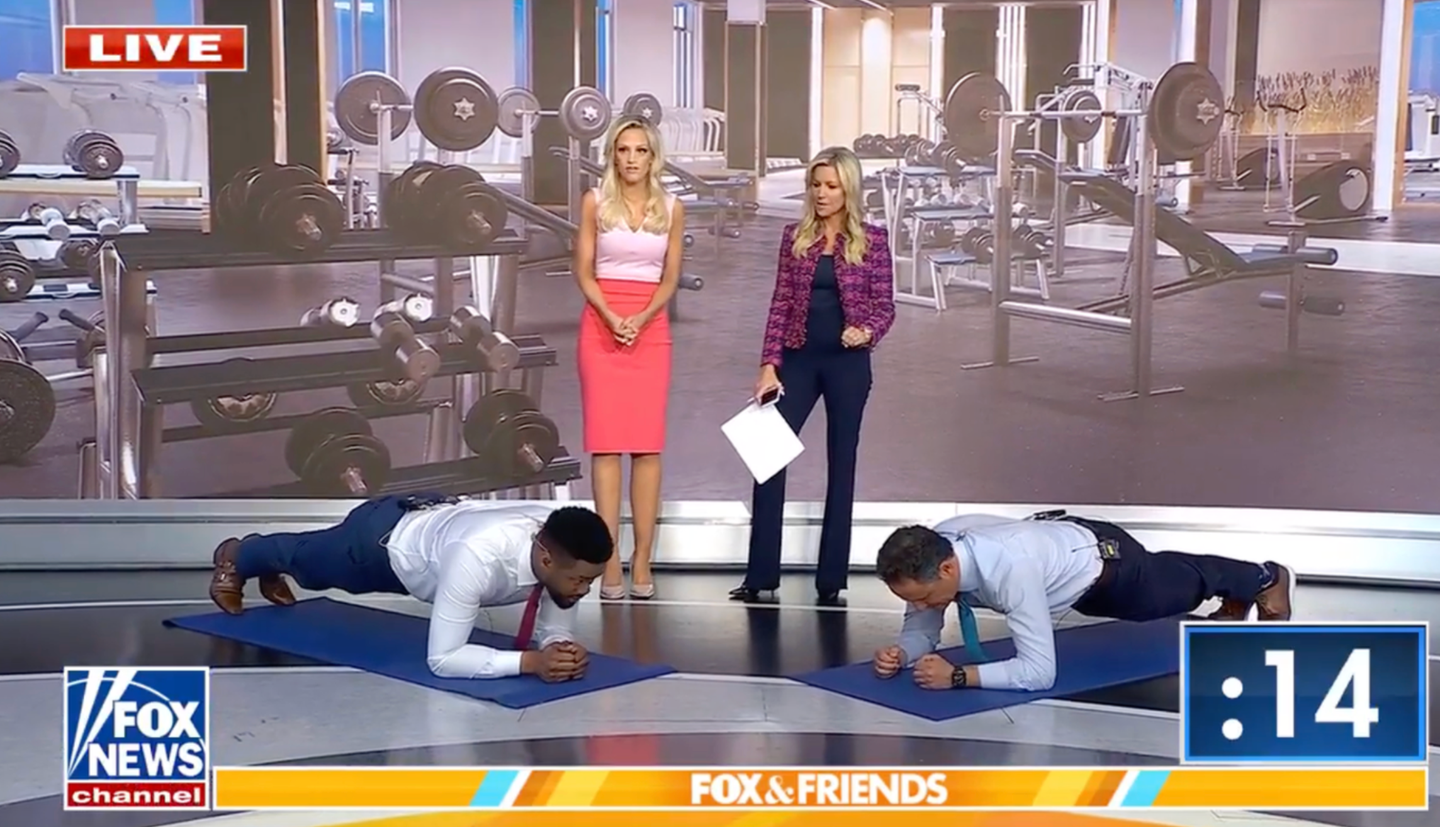
“Same thing with the high plank.”