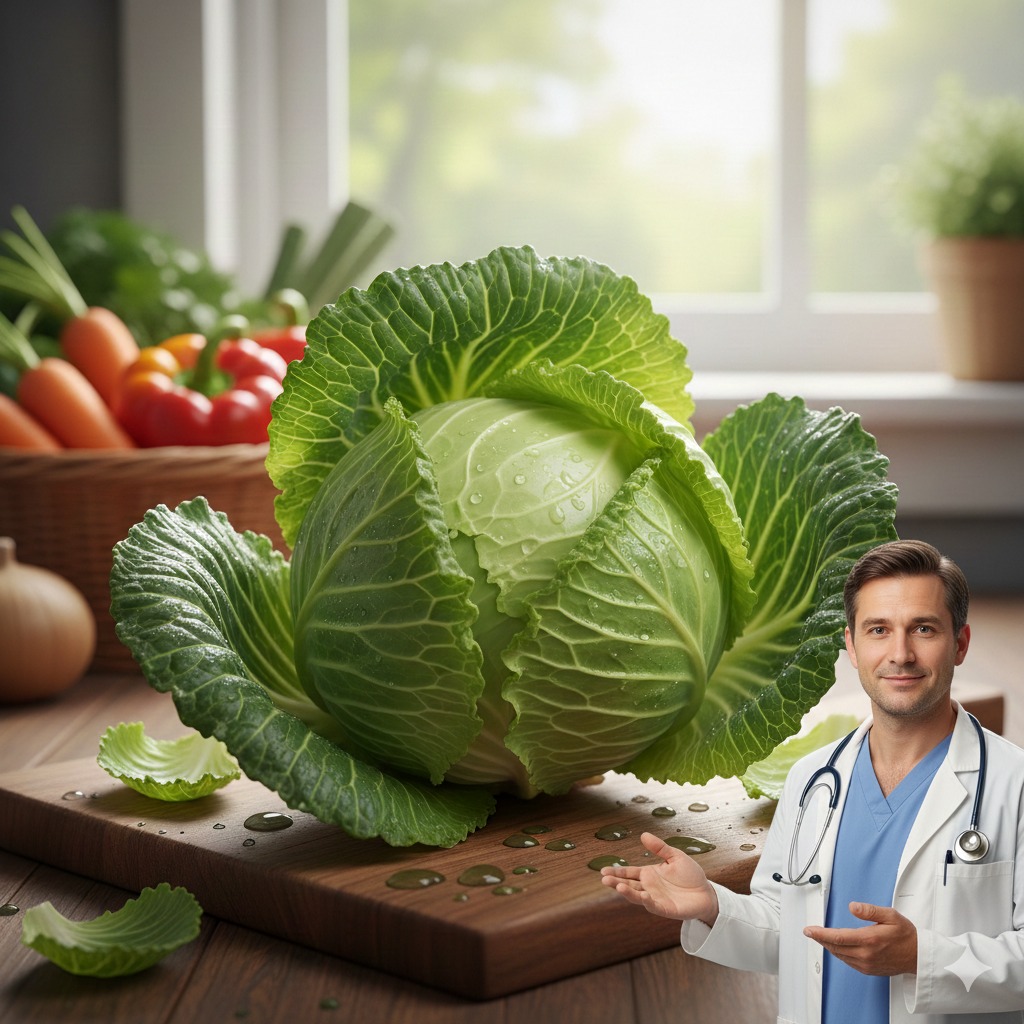
Cabbage is often praised as a humble “superfood.” It’s inexpensive, widely available, and packed with nutrients like vitamin C, vitamin K, fiber, and antioxidants. For many people, it’s a healthy addition to daily meals.
But according to doctors and nutrition specialists, eating cabbage the wrong way—or eating too much of it—can quietly cause health issues in certain people. These effects don’t happen overnight, which is why they’re often overlooked.

Here’s what medical experts say you should know before adding more cabbage to your plate.
Digestive Problems: When “Healthy” Turns Uncomfortable
Cabbage contains complex carbohydrates that the human digestive system struggles to fully break down. When these compounds reach the large intestine, they ferment.
This can lead to:
- Bloating and abdominal pressure
- Excess gas
- Stomach cramps or loose stools
Raw cabbage is especially hard to digest. Doctors note that people with sensitive stomachs, irritable bowel syndrome, or frequent indigestion often feel worse after eating large portions—especially in salads or juices.
Cooking cabbage helps soften its fiber and reduces these effects significantly.

Thyroid Concerns You Might Not Expect
Cabbage belongs to the cruciferous vegetable family, which contains natural compounds known as goitrogens. These substances can interfere with the body’s ability to absorb iodine—an essential mineral for thyroid hormone production.
For most healthy people, this isn’t a problem. But doctors warn that people with hypothyroidism or iodine deficiency should be cautious, particularly with raw cabbage consumed frequently.
Light cooking greatly reduces goitrogen activity, making cabbage safer for those with thyroid concerns.

A Risk for People Prone to Kidney Stones
Although cabbage is healthy, it contains small amounts of oxalates—natural compounds that can bind with calcium in the urine. In people with a history of calcium-oxalate kidney stones, frequent or excessive cabbage intake may increase the risk of recurrence.
Doctors recommend moderation and adequate hydration rather than complete avoidance.

Medication Interactions Few People Consider
Cabbage is rich in vitamin K, which plays a major role in blood clotting. This becomes important for people taking blood-thinning medications.
Eating large amounts inconsistently can interfere with how these medications work. Doctors emphasize consistency over elimination—keeping cabbage intake stable allows medications to be adjusted safely.
Who Should Be Most Careful?
Doctors advise limiting or carefully preparing cabbage if you:
- Have thyroid disorders
- Struggle with chronic bloating or digestive issues
- Have a history of kidney stones
- Take blood-thinning medication
- Experience acid reflux that worsens after eating cruciferous vegetables
For others, cabbage remains a healthy food when eaten in reasonable portions.

The Bottom Line
Cabbage isn’t dangerous—but it’s not harmless for everyone. Like many nutritious foods, its benefits depend on how much you eat, how often you eat it, and your individual health.
Doctors agree on one key point: Moderation and proper cooking make cabbage far safer—and far easier—for your body to handle.
Eating smart matters just as much as eating healthy.