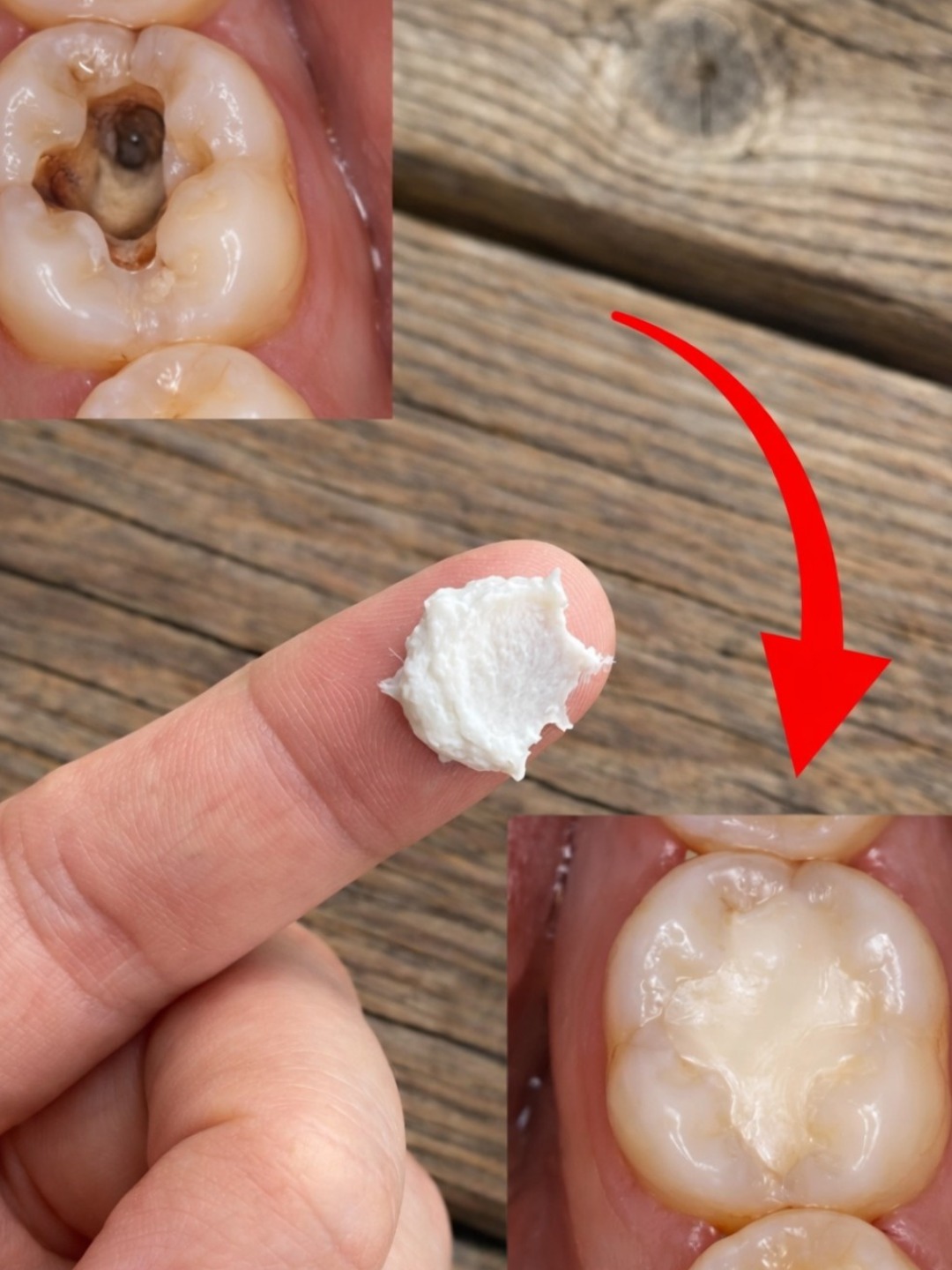
Cavities form when:
Bacteria (like Streptococcus mutans) feed on sugars in your mouth
They produce acid that demineralizes (softens) tooth enamel
Over time, this leads to holes (cavities), sensitivity, and infection
Prevention = reduce bacteria + neutralize acid + remineralize enamel.
Here’s how natural remedies can help:
 Remedy 1: Oil Pulling with Coconut Oil
How it works: Swishing oil “pulls” bacteria and toxins from gum pockets and tooth surfaces.
Why coconut oil? Rich in lauric acid—a compound with proven antibacterial and anti-inflammatory effects.
 What research shows:
Reduces S. mutans (cavity-causing bacteria) as effectively as chlorhexidine mouthwash in some studies
Lowers plaque and gingivitis markers
May improve bad breath
How to do it:
→ Swish 1 tbsp virgin coconut oil in your mouth for 10–15 minutes (morning, before brushing)
→ Spit into trash (not sink—it solidifies!)
→ Rinse, then brush as usual
Use 3–4x/week for best results.
 Remedy 2: Salt Water Rinses
How it works: Creates a hostile alkaline environment for acid-loving bacteria while reducing inflammation.
Benefits:
Soothes gums and mouth sores
Helps dislodge food particles
Balances oral pH after meals
How to do it:
→ Dissolve ½ tsp sea salt in 1 cup warm water
→ Swish for 30–60 seconds, 1–2x daily (especially after sugary meals)
→ Do not swallow
 Remedy 3: Xylitol (The Tooth-Friendly Sweetener)
How it works: Xylitol is a natural sugar alcohol that starves harmful bacteria—they can’t digest it, so they die off. It also stimulates saliva, which naturally remineralizes enamel.
What research shows:
Regular use reduces cavities by 30–85% (per Cochrane Reviews)
Chewing xylitol gum after meals is especially effective
How to use it:
→ Choose 100% xylitol-sweetened gum or mints (5–6g daily)
→ Look for products with no added sugars or artificial sweeteners
→ Chew after meals or snacks when brushing isn’t possible
 Remedy 4: Calcium & Phosphorus-Rich Foods for Remineralization
How it works: Enamel isn’t “alive,” but it can repair itself with minerals from saliva—especially calcium, phosphorus, and vitamin D.
Top remineralizing foods:
Cheese (raises pH, provides calcium + casein)
Leafy greens (kale, spinach—rich in calcium)
Nuts & seeds (almonds, sesame—phosphorus + magnesium)
Fatty fish (salmon, sardines—vitamin D + calcium)
Plain yogurt (probiotics + calcium)
Tip: Eat cheese after meals to neutralize acid and supply enamel-building minerals.
 Remedy 5: Green Tea Mouth Rinse
How it works: Packed with catechins (antioxidants) that inhibit bacterial growth and reduce inflammation.
What research shows:
Lowers S. mutans levels
Reduces plaque formation and gum disease risk
May help prevent oral cancer (long-term)
How to use it:
→ Brew 1 cup cooled green tea (unsweetened)
→ Swish for 30–60 seconds, 1–2x daily
→ Can be stored in fridge for 2 days
 Bonus Tip: The Power of Timing
Wait 30–60 minutes after eating/drinking (especially acidic foods) before brushing.
→ Why? Acid softens enamel—brushing immediately scratches it away.
→ Instead, rinse with water or chew xylitol gum to neutralize acid first.
 What Not to Do (Common Myths)
Lemon juice or vinegar “whitening”: Highly acidic—erodes enamel
Activated charcoal: Abrasive—can scratch enamel and gums
Hydrogen peroxide rinses (undiluted): Can cause irritation and tissue damage
Skipping fluoride: Fluoride is proven to remineralize enamel—use it!
 A Holistic Approach to Oral Health
Your mouth is a mirror of your overall health. To truly prevent cavities:
Limit snacking (gives saliva time to repair enamel)
Drink water (especially fluoridated) throughout the day
Floss daily (40% of tooth surfaces are between teeth!)
Visit your dentist every 6 months—even if you feel fine
 Final Thought
Healthy teeth aren’t about perfection.
They’re about consistency, awareness, and caring for your whole self—from the foods you eat to the habits you keep.
These natural remedies aren’t magic—but paired with good hygiene, they can tip the balance toward a stronger, healthier smile.
So swish, sip, and savor—your future self (and your dentist) will thank you.